





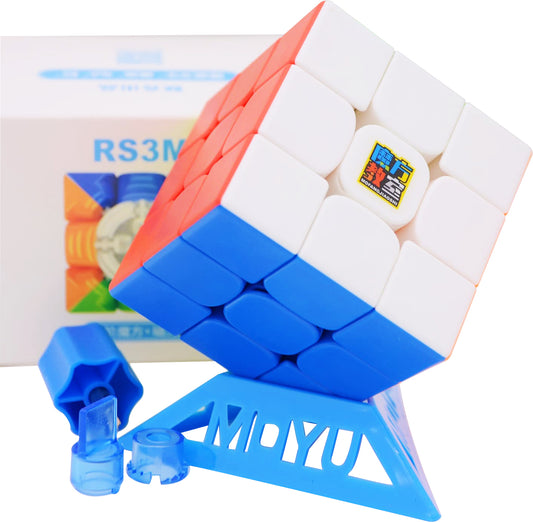


Benefits of Solving Rubik's Cubes for Kids and Adults
The Rubik's Cube, an iconic three-dimensional combination puzzle, has captivated minds across generations since its inception in 1974. Beyond its reputation as a recreational diversion, this geometrical enigma offers a plethora of cognitive, psychological, and developmental advantages for individuals spanning all age demographics. The benefits of Rubik's Cube solving extend far beyond mere entertainment, encompassing neurological enhancement, spatial reasoning augmentation, and stress mitigation capabilities that render it an invaluable tool for personal development.
Cognitive Enhancement Through Spatial Reasoning
Engaging with Rubik's Cube puzzles fundamentally transforms one's capacity for spatial visualization and three-dimensional conceptualization. The manipulation of colored facets demands sustained mental rotation of abstract structures, compelling the solver to envision potential configurations before executing physical movements. This iterative process strengthens the parietal cortex, the cerebral region responsible for spatial cognition and navigational competence.
For pediatric populations, this spatial acuity development proves particularly consequential. Children who regularly practice cubing demonstrate enhanced performance in mathematical domains, particularly geometry and trigonometry, where spatial comprehension constitutes a foundational prerequisite. Adults similarly benefit from maintaining neuroplasticity through such exercises, potentially decelerating age-related cognitive decline.
Pattern Recognition Mastery
The algorithmic nature of cube solving necessitates the identification and memorization of recurring patterns. Practitioners progressively internalize numerous algorithms—predetermined sequences of moves that produce specific outcomes. This pattern recognition extends beyond cubing itself, facilitating improved analytical capabilities in professional contexts such as data interpretation, programming logic, and strategic planning.
Memory Fortification and Retention Capabilities
Rubik's Cube proficiency demands robust working memory functionality. Solvers must simultaneously retain multiple algorithmic sequences while tracking the cube's current state and anticipating subsequent moves. This cognitive juggling act strengthens both short-term and long-term memory consolidation pathways.
Research indicates that individuals who engage in structured puzzle-solving activities exhibit superior memory retention compared to sedentary control groups. The mnemonic demands of speed cubing—where practitioners memorize dozens of algorithms—create neural scaffolding that enhances memory capacity across diverse cognitive domains. For scholastic populations, this translates to improved academic performance and information retention during examinations.
Fine Motor Skill Refinement
The physical manipulation of a Rubik's Cube cultivates exceptional finger dexterity and hand-eye coordination. Speed cubers execute movements with remarkable precision and velocity, developing neuromuscular pathways that enhance overall manual dexterity. This benefit manifests particularly prominently in younger demographics whose motor skills remain developmental.
The repetitive yet varied movements required in cubing strengthen the intrinsic muscles of the hand, improve grip strength, and enhance tactile sensitivity. These refinements prove advantageous for activities ranging from musical instrument performance to surgical precision in medical professions.
Psychological Resilience and Problem-Solving Tenacity
Perhaps among the most significant benefits of Rubik's Cube engagement lies in its capacity to cultivate psychological perseverance. Initial attempts at solving frequently culminate in frustration, yet sustained effort yields incremental progress. This experiential learning cycle instills grit—the passionate persistence toward long-term objectives despite obstacles.
The journey from scrambled chaos to ordered completion mirrors life's challenges, teaching practitioners that systematic approaches and sustained effort ultimately yield resolution even when solutions appear initially insurmountable.
Stress Alleviation Through Focused Engagement
Cubing provides a meditative quality through its demand for complete attentional focus. The immersive nature of puzzle-solving activates flow states—psychological conditions characterized by complete absorption in activities. During these states, practitioners experience diminished awareness of external stressors, providing therapeutic respite from anxiety-inducing circumstances.
For adults navigating professional pressures, cubing offers a constructive outlet that simultaneously engages cognitive faculties while providing emotional regulation. The tangible progression from disarray to solution delivers dopaminergic rewards, reinforcing positive psychological states.
Social Connectivity and Community Integration
The global cubing community represents a vibrant ecosystem of enthusiasts who congregate at competitions, workshops, and online forums. Participation in this community fosters social connections transcending geographical and cultural boundaries. For introverted individuals or those struggling with social anxiety, cubing provides a comfortable conversational foundation and shared interest framework.
Competitive events ranging from local gatherings to international championships offer opportunities for skill demonstration and peer recognition. These experiences cultivate healthy competitive spirit while emphasizing personal improvement over comparative ranking.
Educational Applications Across Disciplines
Educators increasingly recognize Rubik's Cubes as pedagogical instruments applicable across curricular domains. Mathematics instructors utilize them to demonstrate group theory, permutations, and combinatorics. Science teachers employ cubing to illustrate systematic problem-solving methodologies and the scientific process of hypothesis testing.
Cross-Curricular Learning Integration
- Mathematical concepts including algorithms, sequences, and spatial geometry
- Scientific methodology through hypothesis formation and empirical testing
- Historical context regarding innovation, intellectual property, and global phenomena
- Physical education connections through reaction time and manual dexterity development
Age-Specific Advantages Across Developmental Stages
| Age Group | Primary Benefits | Developmental Impact |
|---|---|---|
| Children (6-12) | Spatial reasoning, patience cultivation, foundational problem-solving | Neural pathway establishment during critical development windows |
| Adolescents (13-19) | Advanced algorithmic thinking, competitive skill development, identity formation | Executive function maturation and self-efficacy construction |
| Adults (20-60) | Stress management, cognitive maintenance, hobby engagement | Neuroplasticity preservation and work-life balance optimization |
| Seniors (60+) | Cognitive decline mitigation, manual dexterity maintenance, social engagement | Dementia risk reduction and quality of life enhancement |
Selecting Appropriate Cubes for Optimal Development
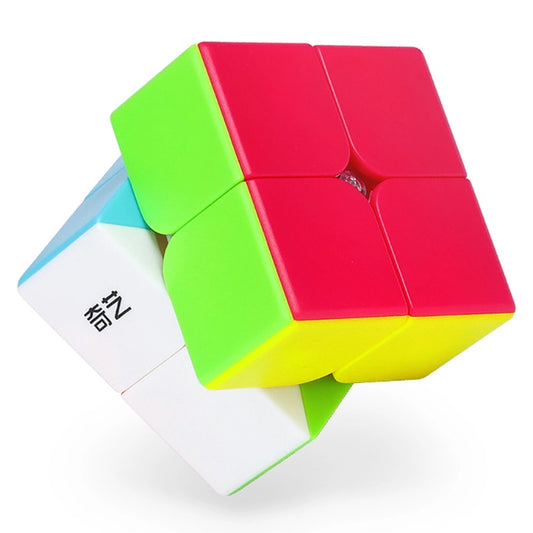
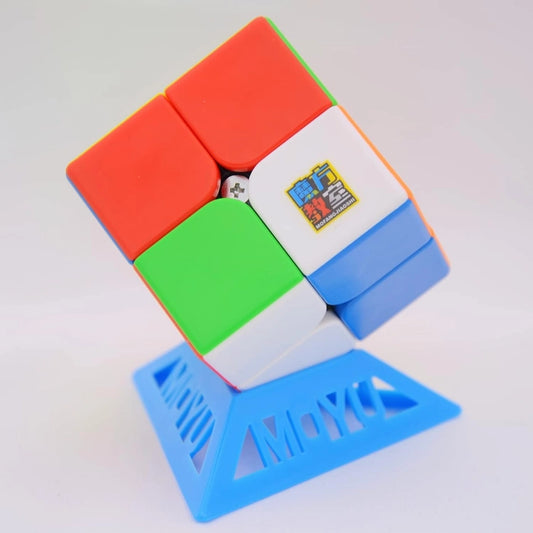
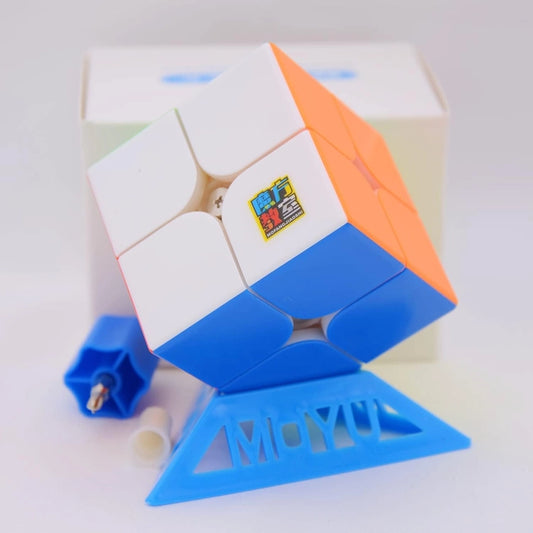
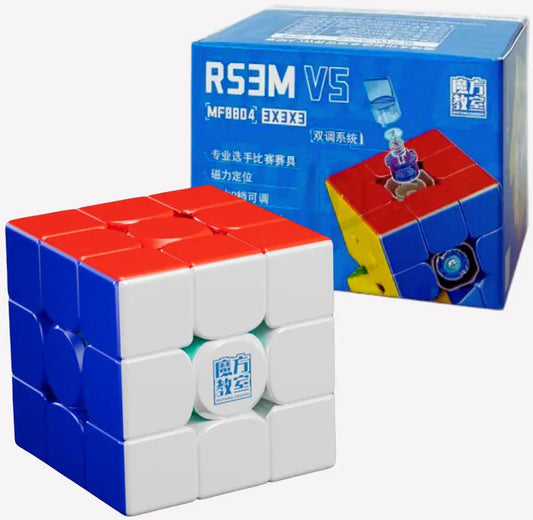
The proliferation of cube varieties enables practitioners to select implements matching their skill trajectory. Beginners benefit from standard 3x3x3 cubes featuring smooth rotation mechanisms and color schemes optimized for visual differentiation. Advanced solvers progress toward speed cubes engineered with magnetic positioning systems, corner-cutting capabilities, and customizable tension adjustments.
Authentic products from reputable manufacturers such as GAN, QiYi, and MoYu ensure consistent performance characteristics essential for skill development. Inferior replicas frequently exhibit mechanical deficiencies that impede learning progression and potentially cultivate improper solving techniques. For Indian practitioners seeking quality implements, specialized retailers offering extensive inventories of verified products provide crucial access to professional-grade equipment at accessible price points with expedient delivery infrastructure.
Beyond Standard Configurations
Once foundational competency emerges, explorers may venture into shape modifications and alternative configurations. Pyraminx, Megaminx, and various cubic permutations offer fresh challenges that leverage existing skills while introducing novel problem-solving dimensions. These variations prevent stagnation and maintain engagement through continual intellectual stimulation.
Frequently Addressed Queries
At what age should children commence Rubik's Cube practice?
Children as young as six years possess sufficient manual dexterity and cognitive capacity to begin learning simplified solving methods. Starting early maximizes developmental benefits during critical neural plasticity periods, though individuals of any age can commence practice and experience cognitive advantages.
How frequently should one practice to experience tangible benefits?
Consistency supersedes duration. Brief daily sessions of fifteen to twenty minutes yield superior outcomes compared to sporadic extended practice. Regular engagement establishes neural pathways more effectively than intermittent intensive efforts, creating sustainable skill progression and cognitive enhancement.
Can cubing genuinely enhance intelligence metrics?
While Rubik's Cube solving does not directly elevate innate intelligence quotients, it demonstrably improves specific cognitive functions including working memory, processing speed, and spatial reasoning. These enhancements manifest as improved performance across academic and professional domains requiring analytical thought.
Conclusion: A Multifaceted Instrument for Holistic Development
The benefits of Rubik's Cube engagement transcend superficial entertainment value, encompassing neurological, psychological, physical, and social dimensions of human development. From pediatric cognitive scaffolding to geriatric decline mitigation, this deceptively simple puzzle offers sophisticated developmental advantages accessible to all demographic segments. Whether pursued recreationally or competitively, cubing represents an investment in cognitive capital with dividends spanning improved academic performance, enhanced professional capabilities, and enriched quality of life through community connection and personal achievement.


