







Top 15 Different Types of Rubik's Cubes You Must Try
The universe of twisty puzzles extends far beyond the canonical 3×3×3 configuration that most individuals associate with Erno Rubik's groundbreaking invention. As cubing culture has flourished globally, manufacturers have engineered an astonishing array of variations—each presenting unique algorithmic challenges and tactile experiences. For enthusiasts seeking to transcend elementary puzzle-solving and explore the multifaceted dimensions of cubing, understanding the diverse typologies available becomes paramount. This taxonomic exploration delineates fifteen essential variants that merit serious consideration, particularly for those seeking authenticated products from established marques.
Standard Cubic Variants
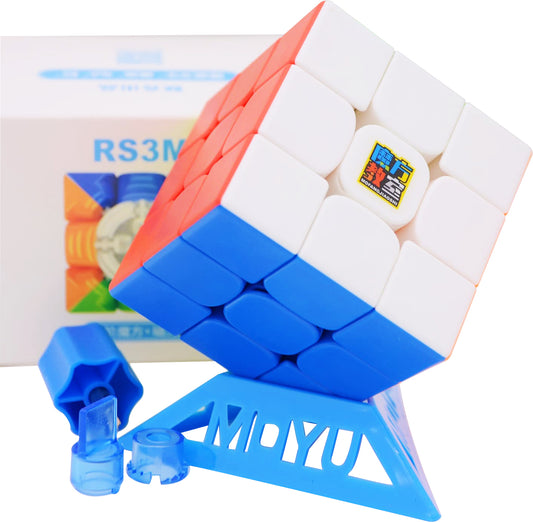
The Classic 3×3×3 Speed Cube
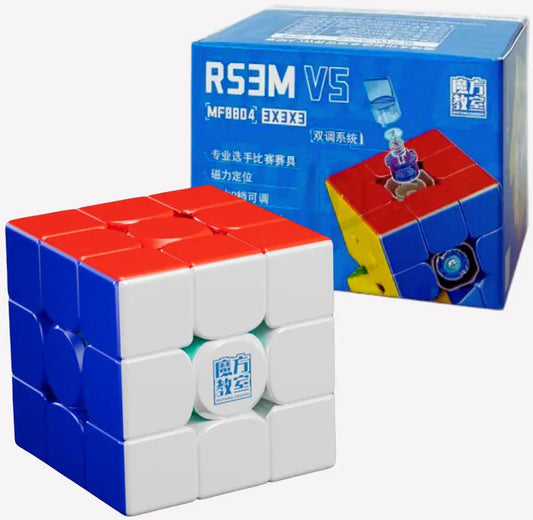
Undeniably the quintessential configuration, the 3×3×3 speed cube represents the foundational archetype upon which competitive cubing is predicated. Modern iterations from manufacturers such as GAN, MoYu, and QiYi bear scant resemblance to the original 1980s construction. Contemporary models incorporate sophisticated tensioning mechanisms, magnetized positioning systems, and proprietary plastic formulations that facilitate sub-ten-second solves. The corner-cutting tolerance—a metric denoting how misaligned layers can rotate without lock-ups—frequently exceeds 45 degrees in premium offerings. This variant remains indispensable for developing fundamental algorithmic literacy and finger dexterity.
The Compact 2×2×2 Pocket Cube
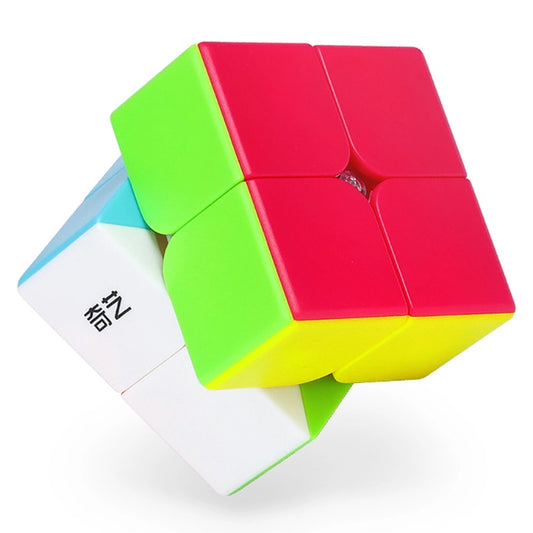
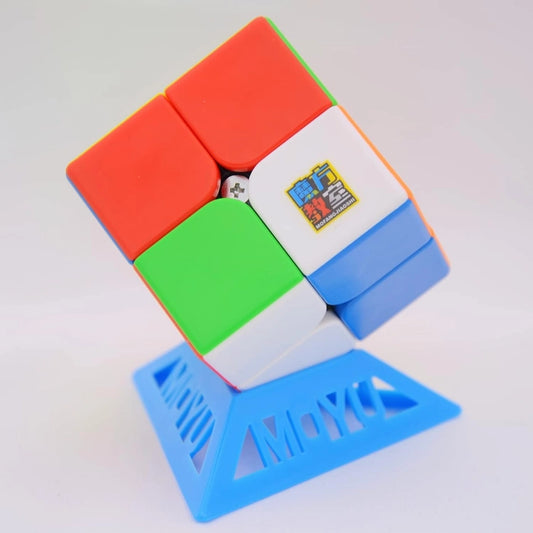
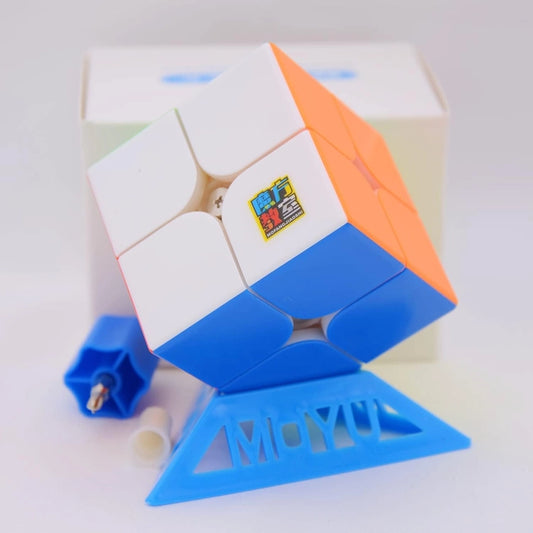
Deceptively simplistic in appearance, the 2×2×2 configuration eliminates edge pieces entirely, rendering it a corners-only permutation challenge. This diminutive puzzle necessitates mastery of Ortega or CLL algorithms, demanding cognitive agility despite its reduced physical complexity. Advanced practitioners appreciate how this variant isolates corner manipulation techniques applicable to larger configurations. The absence of center pieces creates intriguing parity situations absent in its larger sibling, making it an excellent pedagogical instrument for understanding permutation theory.
The Formidable 4×4×4 Revenge Cube
Transitioning to even-layered puzzles introduces parity phenomena—algorithmic situations impossible on odd-layered cubes. The 4×4×4 configuration presents substantial complexity escalation, incorporating movable centers and requiring reduction methodology wherein the puzzle is effectively converted to a 3×3×3 state before final resolution. Premium models feature internal mechanisms designed to minimize spring noise and optimize stability during aggressive turning. This variant serves as an essential gateway to understanding higher-order cubes and represents a significant cognitive leap for intermediate solvers.
The Monumental 5×5×5 Professor's Cube
The 5×5×5 configuration amplifies complexity while reintroducing the algorithmic certainty of odd-layered puzzles. Fixed center pieces provide orientation anchors, yet the sheer number of edge permutations—totaling 60 pieces requiring precise positioning—demands sustained concentration and methodical reduction techniques. Advanced practitioners utilize sophisticated edge-pairing algorithms and center-building strategies that separate novices from seasoned cubists. The engineering required to maintain structural integrity across five simultaneous rotational planes represents a triumph of modern puzzle manufacturing.
Extreme Size Variations
The Diminutive 1×1×1 Cube
Though ostensibly facetious, this variant holds philosophical significance within cubing discourse. The solved state perpetually persists, offering sardonic commentary on the nature of puzzle-solving itself. Collectors appreciate its existence as a completionist's artifact, and it occasionally serves as a humorous entry point for absolute neophytes. Despite its algorithmic vacuity, the 1×1×1 maintains cultural relevance within the community.
The Colossal 6×6×6 and 7×7×7 Configurations
These behemoths represent the practical ceiling for mass-produced cubic puzzles, with the 7×7×7 comprising 218 individual pieces in premium constructions. Solving these requires not merely algorithmic knowledge but physical endurance—sessions frequently extend beyond ten minutes even for experienced practitioners. The engineering challenges inherent in maintaining structural cohesion across seven rotational layers while ensuring smooth turning characteristics represent extraordinary manufacturing achievement. These variants appeal to those seeking marathon-solving experiences and comprehensive mastery of reduction methodology.
Non-Cubic Geometries
The Pyraminx Tetrahedron
Departing from cubic topology, the Pyraminx presents a tetrahedral form factor with trivial tips that rotate independently of the core mechanism. This four-faced puzzle introduces axial rotation concepts distinct from cubic variants, requiring specialized algorithmic approaches. Its relatively accessible solving methodology—often achievable intuitively without extensive algorithmic memorization—makes it an excellent supplementary puzzle for those expanding beyond cubic forms. The Pyraminx cultivates spatial reasoning skills applicable across diverse geometric configurations.
The Megaminx Dodecahedron
This twelve-faced polyhedral marvel translates 3×3×3 solving principles onto dodecahedral geometry, resulting in a substantially expanded state space. With 50 movable pieces across twelve pentagonal faces, the Megaminx demands sustained algorithmic application and exceptional spatial visualization. Solving sessions typically extend considerably beyond comparable cubic variants due to the sheer number of permutations requiring resolution. Advanced models incorporate magnetic positioning and adjustable tension systems analogous to premium speed cubes, facilitating competitive solving.
The Skewb Corner-Turning Puzzle
Unlike face-turning mechanisms dominating cubic variants, the Skewb employs corner-rotation mechanics, fundamentally altering the solving paradigm. This diamond-oriented turning system creates unique permutation characteristics and necessitates distinct algorithmic families. Despite appearing intimidating, the Skewb possesses relatively modest algorithmic requirements once the underlying rotation logic is comprehended. It serves as an excellent introduction to non-traditional turning mechanisms.
Shape-Modification Puzzles
The Mirror Cube (Bump Cube)
This ingenious shape-mod replaces color-based solving with dimensional differentiation. Each piece possesses unique dimensions, transforming the puzzle into a shape-recognition challenge rather than chromatic pattern-matching. When scrambled, the cube assumes irregular, asymmetrical forms that must be restored to cubic geometry. This variant profoundly demonstrates how solving principles transcend visual cues, relying instead on positional logic and piece-relationship understanding.
The Axis Cube
Constructed upon a 3×3×3 internal mechanism but with the rotational axes offset 45 degrees, the Axis Cube shape-shifts dramatically during manipulation. Casual observers often struggle to comprehend its relationship to standard cubes due to its metamorphic properties. Solving requires both conventional 3×3×3 knowledge and adaptive thinking to accommodate the unconventional appearance states. This variant exemplifies how geometric reorientation can exponentially increase perceived difficulty while maintaining underlying mechanical simplicity.
The Square-1 (Cube 21)
Perhaps the most algorithmically distinct variant, the Square-1 permits layer-slicing only when specific pieces align, creating state-dependent move availability. Its top and bottom layers contain pieces of varying angular widths—some spanning 30 degrees, others 60 degrees—producing shape-changing scrambles. Parity situations arise with remarkable frequency, and the puzzle's capacity to assume non-cubic shapes mid-solve creates exceptional cognitive demands. Mastery requires learning entirely unique algorithm sets inapplicable to other configurations.
Specialty and Collectible Variants
The Ghost Cube
This diabolical shape-mod combines the dimensional variance of the Mirror Cube with subtle proportional asymmetries that confound spatial reasoning. When scrambled, it assumes bizarre, seemingly impossible configurations that challenge even seasoned cubists. The Ghost Cube represents the apex of shape-modification engineering, demanding meticulous attention to subtle dimensional relationships that distinguish otherwise similar-appearing pieces.
The Pyraminx Duo and Gear Cube
These specialty variants introduce alternative mechanical principles—the Pyraminx Duo functioning as a two-layered tetrahedron, while the Gear Cube employs interlocking gear mechanisms that rotate adjacent faces simultaneously. Such puzzles expand mechanical literacy beyond conventional clutch-based systems, demonstrating the breadth of twisty puzzle engineering possibilities.
The progression from standard cubic configurations to exotic shape-mods represents not merely increased difficulty, but fundamental expansion of cognitive frameworks for understanding spatial permutation and geometric transformation.
Selecting Appropriate Variants for Skill Development
Cubing progression benefits from strategic variant selection aligned with current proficiency levels. Beginners establish foundational skills through 2×2×2 and 3×3×3 mastery before attempting even-layered configurations or non-cubic geometries. Intermediate practitioners gain substantial benefit from 4×4×4 and Pyraminx variants, which introduce parity concepts and alternative geometric reasoning without overwhelming complexity. Advanced solvers seeking novel challenges find satisfaction in shape-mods and large-format cubes that test endurance alongside algorithmic knowledge.
| Skill Level | Recommended Variants | Primary Learning Objectives |
|---|---|---|
| Beginner | 2×2×2, 3×3×3 | Fundamental algorithms, finger tricks, spatial reasoning |
| Intermediate | 4×4×4, Pyraminx, Skewb | Parity resolution, alternative geometries, reduction methods |
| Advanced | 5×5×5+, Megaminx, Square-1, Shape-mods | Endurance solving, complex algorithms, adaptive problem-solving |
Authenticity and Sourcing Considerations
The proliferation of counterfeit puzzles presents significant challenges for discerning consumers. Authentic products from established manufacturers incorporate precision-engineered components, proprietary plastic formulations, and quality control standards absent in imitative products. Performance differentials manifest in corner-cutting tolerance, rotational smoothness, and structural longevity. Acquiring puzzles from authorized distributors ensures access to genuine articles while supporting legitimate innovation within the industry. For Indian enthusiasts, access to comprehensive inventories from reputable retailers eliminates procurement uncertainties and delivery delays associated with international sourcing.
Frequently Addressed Inquiries
What distinguishes speed cubes from standard Rubik's brand cubes?
Speed cubes incorporate advanced internal mechanisms—including spring-tensioning systems, magnetic alignment, and corner-cutting geometries—that facilitate substantially faster solving. Standard Rubik's brand cubes, while historically significant, employ basic mechanisms unsuitable for competitive or intensive practice.
Should beginners commence with 2×2×2 or 3×3×3 configurations?
While the 2×2×2 appears simpler, initiating with the 3×3×3 provides more comprehensive foundational knowledge applicable across numerous variants. The algorithmic principles mastered on a 3×3×3 transfer broadly, whereas 2×2×2 techniques have narrower applicability.
Are shape-mods genuinely more difficult than standard cubes?
Shape-mods present perceptual rather than algorithmic difficulty escalation. Most employ standard mechanisms internally, meaning solving knowledge transfers directly. However, the unconventional appearance and absence of color-based cues create substantial cognitive challenges for those accustomed to traditional visual solving methods.
How do magnetic positioning systems enhance performance?
Strategically embedded magnets provide tactile feedback when layers align correctly, reducing overshooting during rapid turning sequences. This mechanism improves accuracy during high-speed solving without restricting deliberate misalignment for corner-cutting maneuvers.
Conclusion
The expansive typology of available Rubik's cube variants ensures perpetual challenge regardless of proficiency level. From foundational 3×3×3 configurations through exotic shape-modifications and alternative geometries, each variant cultivates distinct cognitive competencies while maintaining the fundamental appeal of tactile problem-solving. For Indian cubing enthusiasts, access to authenticated products from premier manufacturers through reliable domestic retailers eliminates traditional barriers to acquiring diverse, high-quality puzzles. Strategic progression through increasingly complex variants fosters comprehensive spatial reasoning abilities while sustaining engagement through novelty and escalating difficulty. The journey from elementary cubic solutions to mastery of dodecahedral and shape-shifting configurations represents not merely recreational pursuit, but substantive cognitive development through structured challenge.


