





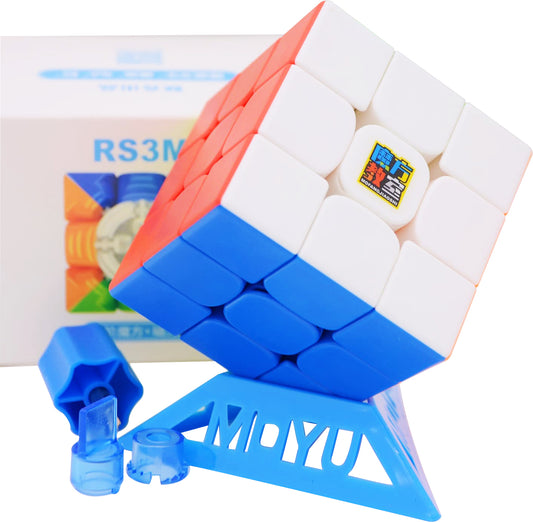


How to Maintain and Lubricate Your Speed Cube for Better Performance
The longevity and efficacy of a speed cube hinge significantly upon meticulous maintenance protocols. Whether you are a novice just embarking on your cubing odyssey or an advanced practitioner striving for sub-10 second solves, comprehending the nuances of speed cube maintenance constitutes an indispensable facet of competitive excellence. Neglecting proper care can transform even the most premium puzzle into a sluggish, inefficient apparatus that hampers algorithmic execution and deteriorates turning characteristics.
This comprehensive exploration elucidates the methodologies, materials, and temporal considerations requisite for optimal speed cube upkeep. By implementing systematic maintenance routines, cubers can substantially augment their puzzle's responsiveness, extend its operational lifespan, and maintain consistent performance metrics during both practice sessions and competitive endeavors.
Understanding the Anatomy of Speed Cube Mechanisms
Before delving into maintenance procedures, establishing familiarity with your puzzle's internal architecture proves essential. Contemporary speed cubes employ sophisticated engineering comprising multiple components: corner pieces containing specialized contact surfaces, edge pieces with strategically positioned magnets, core assemblies with spring-loaded tensioning systems, and center caps that stabilize the entire mechanism.
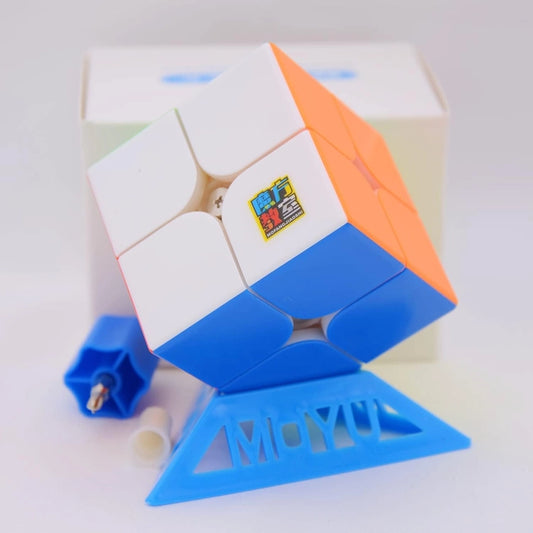
The center piece typically houses adjustment screws that modulate compression levels, directly influencing turning resistance. Meanwhile, the internal surfaces where pieces interface during rotation accumulate microscopic particulate matter, friction-generated debris, and lubricant degradation byproducts. This accumulation progressively impairs rotational fluidity.
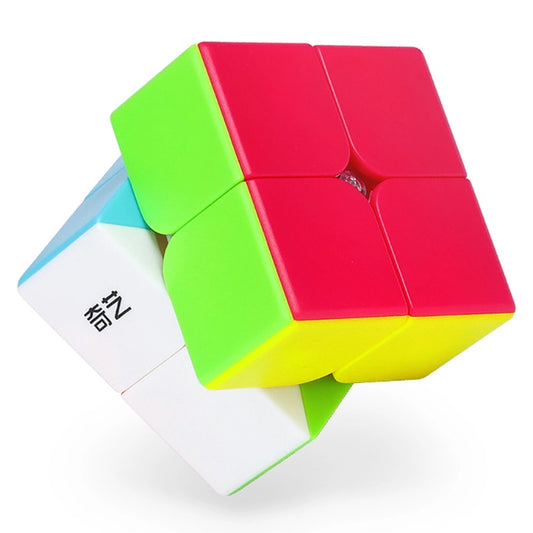
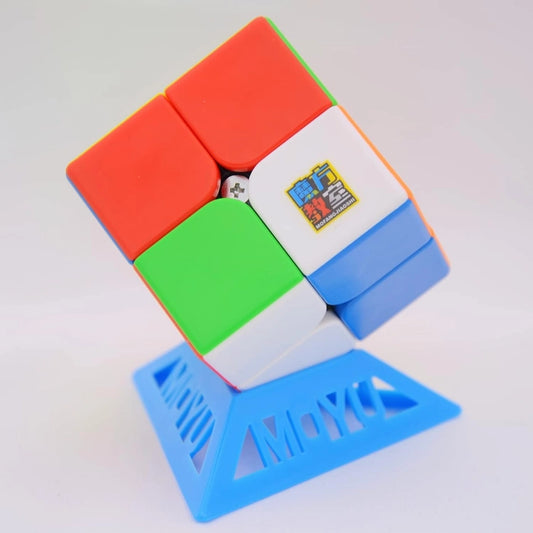
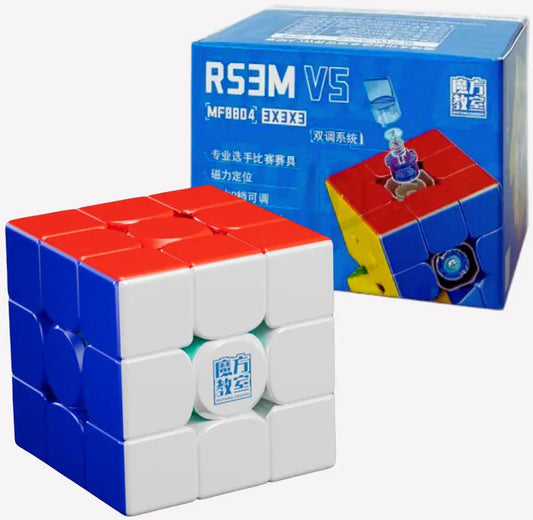
Premium manufacturers like GAN, QiYi, and MoYu incorporate proprietary friction-reduction technologies within their flagship models. These innovations notwithstanding, all mechanisms benefit from periodic intervention. Recognizing when your puzzle exhibits performance declination—characterized by increased turning resistance, audible grinding acoustics, or inconsistent corner cutting capabilities—signals the necessity for maintenance intervention.
Essential Maintenance Supplies and Their Applications
Lubricants: Selecting Appropriate Viscosities
Lubricant selection represents perhaps the most consequential decision in speed cube maintenance. Silicone-based lubricants constitute the industry standard, available in varying viscosities measured in centistokes (cSt). Lighter lubricants, typically ranging from 1,000 to 3,000 cSt, facilitate faster turning velocities but require more frequent reapplication. Conversely, heavier formulations between 30,000 to 50,000 cSt provide extended longevity and enhanced controllability but may attenuate turning speed.
Advanced practitioners often employ stratified lubrication protocols, applying heavier lubricants to core components for sustained stability while utilizing lighter variants on piece contact surfaces for expedited rotations. This differential approach optimizes both durability and performance characteristics simultaneously.
Cleaning Implements and Disassembly Tools
Comprehensive maintenance necessitates complete disassembly periodically. Essential implements include:
- Microfiber cloths for particle removal without surface abrasion
- Isopropyl alcohol (70% concentration minimum) for dissolving degraded lubricant residues
- Small containers for organizing disassembled components by piece type
- Precision tweezers for manipulating diminutive components like magnets or spring washers
Avoid utilizing paper-based materials that may leave fibrous residues within the mechanism. Similarly, petroleum-based solvents can compromise plastic integrity over extended exposure periods.
Step-by-Step Disassembly and Cleaning Procedures
Methodical Disassembly Protocol
Commence disassembly by rotating the top layer approximately 45 degrees relative to the middle layer, exposing an edge piece. Gently lever the edge outward using your thumb until it dislodges. This initial removal facilitates extraction of adjacent corner pieces, followed by systematic removal of remaining edges and corners. Exercise particular caution with magnetic pieces to avoid sudden separation that might scatter components.
Once all upper layer pieces are removed, the center caps can be extracted, revealing the core mechanism. Document tension settings before adjustment by counting rotations, enabling precise reassembly to previous configurations. Remove corner and edge pieces from remaining layers, maintaining organizational separation to streamline reconstruction.
Comprehensive Component Purification
Submerge all plastic components in a bath of isopropyl alcohol, agitating gently to dislodge accumulated detritus. For particularly contaminated pieces, employ a soft-bristled brush to address stubborn deposits. The core assembly merits special attention, as spring channels and screw threads accumulate concentrated lubricant residues.
Professional cubers recommend complete cleaning every 1,000 to 2,000 solves, though environmental factors like ambient humidity and particulate exposure may necessitate more frequent interventions.
Following alcohol treatment, allow all components to air-dry completely. Residual moisture can emulsify with fresh lubricant, compromising its tribological properties and potentially promoting corrosion on metallic elements.
Lubrication Techniques for Optimal Performance
Core Lubrication Strategy
Apply heavier-viscosity lubricant sparingly to spring coils and screw threads, ensuring even distribution without excessive accumulation. Approximately 0.5 to 1.0 milliliters suffices for most standard-sized cubes. Excessive lubrication generates hydraulic resistance that paradoxically impedes performance while attracting environmental contaminants.
Rotate tensioning screws through their full range of motion several times, promoting lubricant migration into all interfacing surfaces. This procedure establishes a protective barrier against metal-on-metal contact while maintaining spring elasticity.
Piece Contact Surface Lubrication
For edge and corner pieces, apply minute quantities of lighter lubricant to contact surfaces—the areas that slide against center pieces during rotations. A single droplet distributed across multiple pieces typically proves adequate. Over-lubrication creates a viscous drag effect that diminishes responsiveness rather than enhancing it.
Some practitioners advocate for differential lubrication based on solving style. Algorithms heavy in R and U moves benefit from enhanced lubrication on right-face and upper-face components, while OH (one-handed) solvers might prioritize specific layers corresponding to their dominant hand's mechanical advantages.
Reassembly and Break-In Procedures
Reconstruct the puzzle in reverse sequence, beginning with the core assembly. Restore tension settings to documented positions, then insert bottom layer corners followed by edges. Progressively rebuild middle and top layers, ensuring each piece seats properly without forcing components.
Newly lubricated cubes require a break-in period of approximately 50 to 100 solves for lubricant distribution equilibration. Initial turning may feel inconsistent as lubricant migrates through microscopic surface irregularities. This transitional phase precedes optimal performance stabilization.
Establishing Maintenance Schedules
| Maintenance Activity | Recommended Frequency | Time Investment |
|---|---|---|
| External cleaning | Weekly | 2-3 minutes |
| Light lubrication | Every 200-300 solves | 5-7 minutes |
| Complete disassembly and cleaning | Every 1,000-2,000 solves | 30-45 minutes |
| Spring replacement | Every 10,000 solves or annually | 15-20 minutes |
These intervals serve as general guidelines; individual variation based on environmental conditions and usage intensity should inform personalized schedules.
Troubleshooting Common Performance Issues
What Causes Corner Twisting During Solves?
Corner twisting typically results from insufficient tension or excessive lubrication creating instability. Incrementally tighten adjustment screws in quarter-turn increments, testing between adjustments. Ensure corner pieces exhibit no visible cracks that might compromise structural integrity.
Why Does My Cube Feel Gritty After Cleaning?
Residual particulate matter or incompletely dried alcohol can generate gritty sensations. Re-clean affected areas and ensure thorough desiccation before reapplying lubricant. Occasionally, plastic flash from manufacturing requires manual removal using fine-grit sandpaper on non-contact surfaces.
Preserving Longevity Through Proper Storage
Environmental factors significantly influence maintenance frequency requirements. Store puzzles in climate-controlled environments away from direct solar radiation, which can degrade both plastic polymers and lubricant molecular structures. Extreme temperature fluctuations cause expansion-contraction cycles that stress component tolerances.
Dedicated carrying cases with compartmentalized storage prevent impacts during transportation while minimizing dust exposure. For collectors maintaining multiple puzzles, rotation schedules ensure even wear distribution across your arsenal.
By adhering to these systematic maintenance protocols, cubers across India can extract maximum performance from their authentic GAN, QiYi, and MoYu puzzles. The synthesis of quality hardware with meticulous upkeep establishes the foundation for continuous improvement, whether pursuing personal records or competitive podium finishes. Proper speed cube maintenance transcends mere preservation—it represents an investment in your cubing trajectory and a demonstration of respect for the sophisticated engineering embodied in modern puzzle design.


